Showing posts with label Quotes. Show all posts

Wednesday, November 25, 2026

مسرة التشاؤم - The Pleasure of Pessimism

التشاؤم المتسامح مع النفس


لا نتوقع عادة أن يكون التشاؤم قادرًا على أن يصير مصدر مسرّة –التشاؤم بمعنى ترقب الأسوأ والاستعداد للجانب الأكثر ظلمة في الوجود. لكن التشاؤم يخفي من خلف «سمعته» السيئة عناصر من فلسفة تتسم باللطف والسخاء. هذا ما يتبين لنا عندما نفكر في أصول هذه الطريقة في التفكير. نشأت النزعة إلى التشاؤم في روما القديمة؛ وكان أهم دعاتها المسرحي الفيلسوف سينيكا، الذي كان أيضًا مستشارًا سياسيًا؛ ثم أعقبه الإمبراطور ماركوس أوريليوس.

لم يكن هذان الاثنان من أعداء البهجة. فنزعة التشاؤم كانت استراتيجية محسوبة بحيث «تحمي السعادة» في عالم مضطرب خطير. كان الاثنان مسحورين بما لخيبة الأمل من قدرة على أن تكون أكالة للنفوس. لأن الآمال والتطلعات المتضخمة يمكن أن تسلب أي إنسان رضاه واطمئنانه، وذلك مهما تكن الأمور حسنة من الناحية الموضوعية.

نصير بائسين لا لأن الأمور قد اتخذت -بالضرورة- منحى سيئًا، بل لأنها قصرت عن المعايير التي رجوناها. وأما توقع حدوث الأسوأ فهو ويا للغرابة موقف يستجلب البهجة. تقول لنا نزعة التشاؤم إن الحياة ليست بائسة بفعل مصادفة من المصادفات: إنها صعبة على كل إنسان، وذلك بفعل طبيعتها العميقة نفسها.


في ما يلي عدد من المسرات الصغيرة في التفكير المتشائم:

نفكر مطمئنين في مقدار الزمن الباقي لنا في الحياة من خلال تصور أن موتنا سيكون في تاريخ موافق لمتوسط العمر المتوقع للإنسان، لكننا لا نتذكر أننا سنمر –قبل زمن طويل من بلوغنا نقطة النهاية تلك– بسنوات من ضعف متزايد، ومن إحساس بالخوف كلما مات صديق لنا. وشعورنا بأننا لم نعد «مرتاحين» في هذا العالم، وكذلك «تألمنا» من أن أي شخص يفعل أي شيء مهم قد صار أصغر منا بعشرات السنين. تنتابنا مشكلات محرجة في المثانة، ويعذبنا أننا صرنا غير جذابين. بكلمات أخرى، ليس صحيحًا أبدًا أن نبعد أنفسنا عن «الخوف المفيد» من ضيق الوقت الباقي لنا.

نتخيل أننا سننعم بالهدوء والرضا عندما نفلح في إيجاد حل لواحد من أسباب قلقنا الكبرى. لكن ما نفعله في حقيقة الأمر يظل مقتصرًا على «تحرير» فسحة جديدة كي يندفع إليها قلق جديد أشد وقعًا وأكثر قدرة على تسميم حياتنا... هذا ما يحدث دائما. لا يمكن للحياة إلا أن تكون عملية دائمة من إحلال قلق محل قلق آخر.

ينشأ القسم الأكبر من معاناتنا عن آمالنا (في الصحة والسعادة والنجاح). من هنا، يكون ألطف ما نستطيع فعله لأنفسنا إدراك أن معاناتنا ليست عارضة ولا عابرة، بل هي وجه جوهري من وجوه وجودنا سوف يظل يزداد سوءا إلى أن يأتي أسوأ الأمور كلها.

البشر الوحيدون الذين نستطيع الظن بأنهم «طبيعيون» هم أولئك الذين لم نعرفهم جيدا بعد.

نحن نحتفظ بأماكن خاصة في قلوبنا لأولئك الذين لا يرون أهميتنا. فبدلًا من تجاهلهم، نضع شكوكهم في مكان عميق في قلوبنا، ونمضي القسم الأكبر من حياتنا في استنباط استراتيجيات لإقناعهم بقيمتنا... لن ننجح في هذا أبدا.

السبيل الأفضل إلى أن يكون المرء شخصا أكثر هدوءًا ولطفًا هو «صرف النظر عن الجميع». لن يمنحك أحد أبدًا ما تستحق من تقدير؛ ولن تستطيع أبدًا إرضاء حاجات إنسان آخر إرضاءً تامًا. فالطريق إلى التسامح وإلى حسن الطبع الصبور كامنة في إدراك أن الإنسان يظل –في كل أمر مهم– وحيدًا على نحو لا سبيل إلى شفائه.

الحكمة الحقيقية هي الاعتراف بأن الحكمة –أكثر الأحيان– لا تكون خيارًا متاحًا. فمن ناحية نظرية، نحب أن نواجه المشكلات مواجهة هادئة، ونحب أن نكون متزنين إزاء ما نلقاه من معارضة، وأن نكون متواضعين عندما نتلقى انتقادًا، وأن نقبل قبولا مسالمًا حقيقة أن أشخاصًا لا يعجبوننا سوف يتفوقون علينا. وأما في الواقع، فسوف نتلوى غضبا ونحزن ونخاف ويستبد بنا الحنق. لن نكون أبدًا ناضجين تمامًا. وسوف «نتمرد» دائمًا على بعض الحقائق التي تؤلمنا. من الحكمة أن نقر لأنفسنا بأننا هكذا.

إن في النجاح الدنيوي مواساة، أو جائزة ترضية، لتلك الأرواح التعسة التي حوّلت ما كان بها من إحساس بالمهانة وبأنها ليست جيدة بما فيه الكفاية إلى إنجازات... لكن هذا لن يعوّضها أبدا عن الحب غير المشروط الذي ستظل تحمل ذلك التوق العميق إليه، ولكن عبثًا.

نتخيل أن الناس الذين يؤذوننا قد يشعرون بالذنب بعد ذلك، لكن الحقيقة أنهم عادة ما يكرهوننا... لأننا نصير تذكيرًا لهم بوضاعتهم.

وأما في ما يتصل بالتفكير المهووس في «ما يظنه الآخرون»، فتذكر أن الحب قليل جدًا، والكره قليل... وتذكر أن الجميع، تقريبا، لا يبالون بك ولا يهتمون لأمرك.

يبدأ تعرفنا الحقيقي على شخص من الأشخاص عندما تبدأ آمالنا فيه تشهد خيبة حقيقية.

اختيار من نتزوجه ليس إلا تقريرًا لنوع المعاناة الذي نحب أن يظل ملازمًا لنا.

علاج الافتتان بواحد من الناس يكون في معرفته معرفة أفضل؛ فسرعان ما تتكشف لنا عيوبه التي هي موجودة بكل تأكيد.

لا علاقة للمسرة الناجمة عن الميل إلى التشاؤم بأن يكون المرء وضيعًا أو بأن تكون في نفسه مرارة دائمة. فأساس الأمر عائد، في الواقع، إلى التعاطف الذي هو ترياق للمطلب المعاصر الطاغي دائمًا، والذي يفرض علينا أن ننظر إلى الجانب المشرق وحده. يسمح لنا التشاؤم بالارتباط بالآخرين وبالاقتراب منهم من خلال الإقرار الصادق ببعض الحقائق التي تجعلنا «أكثر صحوًا».

- آلان دو بوتون، «مسرات صغيرة»
- ترجمة: الحارث النبهان 


Indulgent Pessimism


We’d not normally think that pessimism – anticipating the worst and taking the darker view of existence – could be a source of pleasure. But behind its dour reputation, it harbours elements of a kind and generous philosophy. Which makes sense when we consider the origins of this way of thinking. Pessimism was developed mainly in ancient Rome and principally by the dramatist and political adviser Seneca and, later, the Emperor Marcus Aurelius.

They weren’t killjoys. Pessimism was a calculated strategy to safeguard happiness in a troubled and dangerous world. They were fascinated by the corrosive power of disappointment. Inflated expectations and hopes can rob anyone – no matter how good things objectively are – of satisfaction.

We get miserable not because things are necessarily really so awful, but because they fall short of the standard we have demanded. To anticipate the worst is, curiously, a cheering attitude. Life isn’t incidentally miserable, pessimism tells us: it is fundamentally deeply difficult for everyone.

Here are a few of the small pleasures of pessimistic thoughts:

We reassure ourselves about the amount of time we have left by pegging our imagined death to the date of the average lifespan, without remembering that long before we reach that terminal point we will have passed through years of growing infirmity, terror as our friends die off, a sense that we no longer feel at home in the world, a humiliation that anyone doing anything significant is decades younger than us, embarrassing bladder problems and our own sexual repulsiveness. In other words: we must never hold back from a useful panic at how little time there is left.

When we resolve one major anxiety, we imagine that we will be satisfied and calm will descend. But all we’re really ever doing is freeing up space for an even more poisonous and aggressive worry to spring forth, as it always will. Life can only ever be a process of replacing one anxiety with another.

The greatest part of our suffering is brought about by our hopes (for health, happiness and success). Therefore, the kindest thing we can do for ourselves is to recognise that our griefs are not incidental or passing, but a fundamental aspect of existence which will only get worse – until the worst of all happens.

The only people we can think of as normal are those we don’t yet know very well.

We reserve a special place in our hearts for those who can’t see the point of us. Instead of ignoring them, we will take their scepticism deep into our hearts and spend much of our lives inventing strategies to persuade them of our worth – and we will never succeed.

The best way to be a calmer and nicer person is to give up on everyone. No one will appreciate you as you deserve; you will never fully satisfy the needs of another. The route to tolerance and patient good humour is to realise that one simply is, where it counts, irredeemably alone.

True wisdom is the recognition of just how often wisdom will simply not be an option. In theory, we’d love to meet trouble calmly, be poised in the face of opposition, react with humility to criticism and peacefully accept the fact that we will be outdistanced by people we don’t like. But the fact is we’ll squirm and get upset and panic and descend into rage. We’ll never be fully mature. We’ll always rebel against certain painful truths. And it’s wise to admit this about ourselves.

Worldly success is the consolation prize for those unhappy driven souls who have redirected their early humiliation and sense that they weren’t good enough into ‘achievements’ – which will never make up for the unconditional love they will deep down always crave in vain.

Rather than imagining that they might feel guilt, people who have hurt us, in fact, typically start to hate us – for reminding them of their own meanness.

For paranoia about ‘what other people think’, remember that very few love, only some hate – and nearly everyone just doesn’t care.

We have begun to know someone properly whenever they have started substantially to disappoint us.

Choosing a person to marry is just a matter of deciding what particular kind of suffering we would like to commit ourselves to.

The cure for infatuation is to get to know the object of one’s desire better. Soon their inevitable defects will be revealed.

The pleasure of pessimism isn’t linked to being mean or bitter. It’s grounded, in fact, on sympathy. This is an antidote to the oppressive modern demand to look only on the bright side. It allows us to bond with others around an honest admission of some truly sobering realities.


― Alan De Botton, The Meaning of Life (Small Pleasures)

Wednesday, May 6, 2026

Those were the days my friend

 الأصدقاء القدامى


ثمّة أشخاص تكون لنا معهم صداقة لسبب كبير وحيد، لكننا كثيرًا ما نتجاهله أو لا نقيم له وزنًا: عندما نكون مع صديق قديم، نستطيع أن نستعيد مرحلة من رحلة اجتزناها. نكون قادرين على رؤية كيف تغيرنا وتطورنا، وما كان يؤلمنا ذات يوم، أو ما كان يهمنا، أو ما استمتعنا به استمتاعًا عميقًا، لكننا نسيناه تمامًا. الصديق القديم أشبه بقيِّم على ذكريات قد تتفلت منا تفلتًا ضارًا لولا وجوده معنا.


نحن في حاجة إلى الأصدقاء القدامى نتيجة جانب معقد كبير الأهمية من جوانب الطبيعة البشرية، وذلك أننا نجتاز مراحل تطورنا فنتخلى في أثناء ذلك عن أمور كانت تهمنا أو تشغل أذهاننا وينشأ لدينا نوع من "قلة التعاطف" مع آرائنا ومنظوراتنا السابقة. نكون في سن الرابعة عشرة فنعرف الكثير عن الغيظ من الوالدين، ثم يمضي عشرون عامًا فتبدو لنا الفكرة كلها سخفًا أو عقوقًا. إلا أن الصديق القديم يعيد لنا تواصلنا مع "جو" بعينه ويُعرّفنا –مثلما يفعل روائي– على شخصية نسيناها (هي نحن، لكن في زمن مضى) قد تبدو لنا، من غير عونه، غريبة إلى حد غير معقول.


في سن الثانية والعشرين، نجد حياة العزوبية مؤلمة جدًا. نمضي أوقاتًا طويلة مع صديق (أو صديقة)، فيبوح كل للآخر بفيض من أفكاره الحزينة ومن إحساسه بالاغتراب. وفي الخامسة والأربعين، بعد أن تصير من حولنا أسرة، من الممكن أحيانًا أن نجد أنفسنا في عجب مما يجده بعض الناس من مسرة في حياة العزوبية وفي العلاقات العابرة.


إن لدى الصديق القديم أنباء كبيرة الأهمية يحملها إلينا. فنحن نعيش الحياة انطلاقًا من سلسلة متتابعة مكونة من نقاط مختلفة جدًا على مر السنين؛ لكننا نكون ميالين –هذا أمر مفهوم– إلى أن تكون أذهاننا منشغلة بالمحطة الحالية وحدها فننسى "الحِكَم" التي كانت في مراحل سابقة... صحيح أنها "حِكم" غير كاملة، لكنها تظل بالغة الأهمية. يمتلك كل سن نوعًا "متفوقًا" من المعرفة من ميدان من الميادين، وكثيرًا ما ينسى نقله إلى ذواتنا التي تعقُب تلك المرحلة.


ثمّة أهمية كبيرة بالنسبة إلى نمونا وتطورنا وتكاملنا لأن نتذكر الآن "من كنا". يظل أفضل المعلمين أصدقاء لماضيهم، فهم يتذكرون كيف تكون الحال عندما لا يعرف المرء شيئًا عن الأمور التي يعلمونها الآن فلا يتعالون على طلبتهم. ويظل أفضل المديرين على صلة بتجاربهم فيما مضى عندما كانوا لا يزالون في بداية السلّم. ويتذكر أفضل السياسيين تذكرًا واضحًا فترات من حياتهم كانت لهم فيها آراء شديدة الاختلاف عن الآراء التي صارت لديهم الآن؛ وهذا ما يساعدهم في أن يكونوا قادرين على إقناع الجمهور غير المتفق مع آرائهم وفي التعاطف معه. ويظل الآباء والأمهات الناجحون على تواصل مع ما كان لديهم من حساسيات وشعور بالظلم في طفولتهم. ويتذكر الأثرياء الخيّرون كيف يكون إحساس المرء عندما لا يجرؤ على دخول متجر يبيع مأكولات غالية الأثمان. وعلى الدوام، نكون "عشاقًا أفضل على المدى البعيد" إذا كان لدينا قدر من الإخلاص لما عشناه عندما التقينا من نحبهم أول مرة، أي عندما كانت مشاعر العرفان في أوجها.


الأصدقاء القدامى "عامل تفعيل" جوهري لأجزاء ساحرة كبيرة القيمة من ذواتنا نحن في حاجة دائمة إليها لكننا معرضون دائمًا لخطر نسيانها في زحمة الزمن الحاضر.


- آلان دو بوتون، «معنى الحياة»
- ترجمة: الحارث النبهان 


Julie Walters, Meryl Streep and Christine Baranski in ‘Mamma Mia!’ (2008)


Old friends


There are people we are friends with for one major but often maligned or overlooked reason: because we were friends with them some time back. At one stage –and it might be decades ago now– we had a lot in common: we were both good at maths but bad at French at school; we had adjacent rooms at college and helped each other with assignments and commiserated in the bar about failed dates or maddening parents; we were interns in the same big firm with the same bizarre and intemperate boss.


But life has taken us on radically different tracks. Now they’ve got three young children; they moved to the Orkneys where they are managing a fish farm; they’ve gone into politics and have become a junior minister, or they’re working as a ski teacher in the Rocky Mountains. The daily realities of our lives may be miles apart; we may know little of their world and they of ours. If we were introduced today, we’d think each other pleasant enough but would never get close.


Yet it can be hugely helpful and redemptive to catch up with these people with a one-on-one dinner, a walk in the woods or the occasional email. These friends function as conduits to earlier versions of ourselves that are inaccessible day to day but contain important insights.


In the company of an old friend, we can take stock of the journey we have travelled. We get to see how we have evolved, what was once painful, what mattered or what we had wholly forgotten we deeply enjoyed. The old friend is a guardian of memories on which we might otherwise have a damagingly tenuous hold.


We need old friends because of a crucial complexity in human nature. We pass through stages of development and, as we do so, discard previous concerns and develop a lack of empathy around past perspectives. At 14, we knew a lot about resenting our parents. Twenty years later, the whole idea sounds absurd and ungrateful. Yet the old friend reconnects us with a particular atmosphere and, like a novelist, makes us at home with a character –ourselves– who might otherwise seem impossibly alien to us.


At 22, we found single life extremely painful. We hung out a lot with a particular friend and shared a litany of wistful, alienated thoughts. At 45, with a young family around us, we might occasionally find ourselves curious about the joys of single life and of casual hook-ups. The old friend has crucial news to impart. We experience life from a succession of very different vantage points over the decades, but –understandably– tend to be preoccupied only with the present vista, forgetting the particular, incomplete but still crucial wisdom contained in earlier phases. Every age possesses a superior kind of knowledge in some area, which it usually forgets to hand on to succeeding selves.


Remembering what it was like not to be who we are now is vital to our growth and integrity. The best professors remain friends with their past. They remember what it was like not to know about their special topic, and so don’t talk over the heads of their students. The best bosses are in touch with their own experience of starting out as a lowly employee. The best politicians clearly recall periods in their lives when they held very different views to the ones they have now formulated, which allows them to persuade and empathise with hostile constituencies. Good parents keep in touch with the feelings of injustice and sensitivity they had in early childhood. Kindly wealthy people remember what it was like not to dare to walk into a costly food shop. We are always better long-term lovers if we have an avenue of loyalty back to who we were when we first met our beloveds and were at an apogee of gratitude and modesty.


Old friends are key activators of fascinating and valuable parts of the self that we need, but are always at risk of forgetting, in the blinkered present.


 ― Alan De Botton, The Meaning of Life (The School of Life)


Friday, May 2, 2025

تؤذي النفس نفسها، أول ما تؤذي، حين تستسلم للغضب

يظهر الضغط بطريقتين: إما كاستجابة فورية لخطر، وإما كحالة مطوَّلة تستحثها ضغوط خارجية أو عوامل نفسية داخلية. في حين يُعد الضغط الحاد استجابة ضرورية تصون سلامتنا الجسدية والنفسية، فإن الضغط المزمن، المستمر بلا انقطاع، يقوض كليهما. فالغضب الظرفي مثلا هو شكل من أشكال الضغط الحاد الموجه لغرض بَنَّاء -مثل الدفاع عن النفس أو وضع حدود شخصية- يجعل عقلنا أكثر انتباها، وأطرافنا أقوى وأسرع. أما الغضب المزمن، فيغمر الجسم بهرمونات الضغط فترة طويلة بعد الحدث. ويمكن لهذا الفيض الهرموني، أيا كان منشؤه، على المدى الطويل أن:


- يصيبنا بالقلق أو الاكتئاب،
- ويثبط المناعة،
- ويؤجج الالتهابات،
- ويضيق الأوعية الدموية، مما يعزز اعتلالاتها في جميع أنحاء الجسم،
- ويستحث نمو السرطانات،
- ويُضعف كثافة العظام،
- ويورث مقاومة الإنسولين الذاتي، مسببًا مرض السكري،
- ويؤدي إلى تراكم الدهون البطنية، ما يزيد من خطر الإصابة بأمراض القلب والأيض،
- ويعطل دوائر الإدراك والعاطفة الأساسية في الدماغ،
- ويرفع ضغط الدم، ويزيد من تجلطه، ما يزيد من خطر الإصابة بنوبات القلب أو سكتات الدماغ.

– جابور ماتيه، خرافة العادي

– ترجمة: إيمان سعودي 

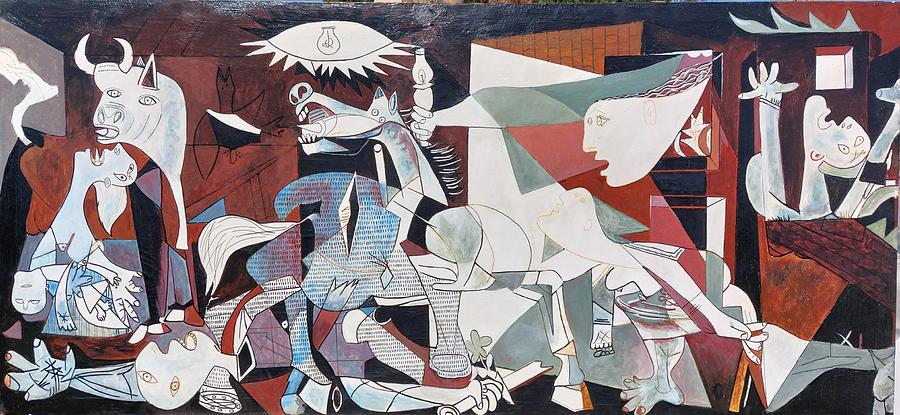
Guernica, by: Pablo Picasso. Painted by: Paco Valero

 Stress can show up in two forms: as an immediate reaction to a threat, or as a prolonged state induced by external pressures or internal emotional factors. While acute stress is a necessary reaction that helps maintain our physical and mental integrity, chronic stress, ongoing and unrelieved, undermines both. Situational anger, for example, is an instance of acute stress being marshaled for a positive purpose— think self-defense or setting interpersonal boundaries. It makes us more alert of mind, quicker, and stronger of limb. Chronic rage, by contrast, floods the system with stress hormones long past the allotted time. Over the long term, such a hormonal surplus, whatever may have instigated it, can:

• make us anxious or depressed;
• suppress immunity;
• promote inflammation;
• narrow blood vessels, promoting vascular disease throughout the body;
• encourage cancer growth;
• thin the bones;
• make us resistant to our own insulin, inducing diabetes;
• contribute to abdominal obesity, elevating the risk of cardiovascular and metabolic problems;
• impair essential cognitive and emotional circuits in the brain; and
• elevate blood pressure and increase blood clotting, raising the risk of heart attacks or strokes.

– Gabor Maté, The Myth of Normal 


Saturday, February 15, 2025

انعكاسات

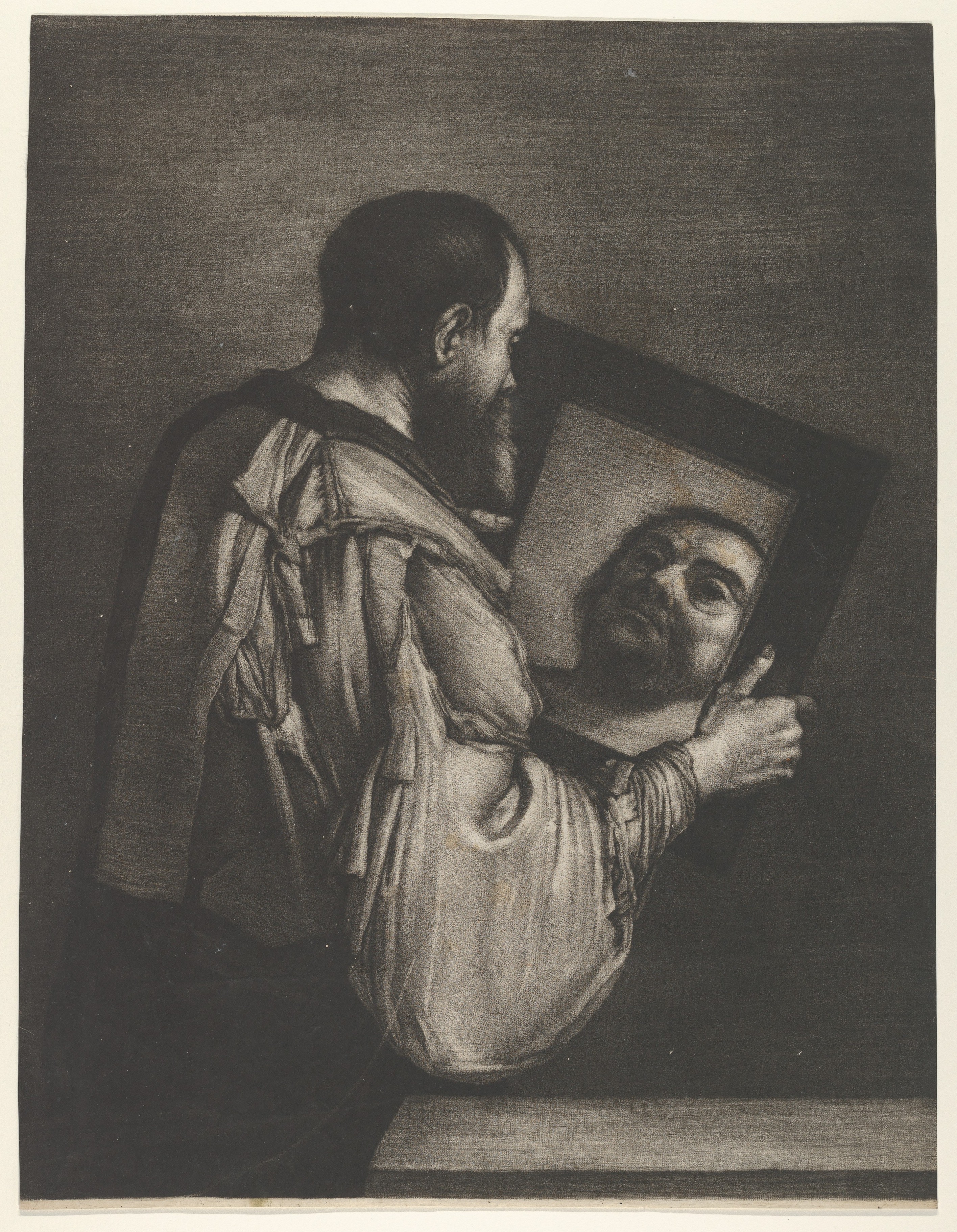
 عندما أصدر أحكامًا قاسية على أحد، فذلك لأنني أستشعر أو أرى انعكاس أحد جوانب نفسي فيه، جانب لا أرغب في الاعتراف به. وهنا لا أتحدث عن انتقادى سلوك شخص آخر بموضوعية، وإنما عن نبرة الفوقية التي تميز الأحكام الشخصية، وتلون آرائي. إذا امتعضت من شخص مقرب مثلا واصفًا إياه بأنه «متسلط»، فربما كان ذلك بسبب عجزي عن فرض إرادتي، وقد أنفعل ضد شخص آخر لأن لديه صفة أمتلكها، صفة لا أحبها، ولكنني لا أرغب فى الاعتراف بها: على سبيل المثال، ميل إلى التحكم في الآخرين. كما ذكرت في أحد الفصول السابقة، أشجب الصحفيين المناصرين لليمين. يظل رأيي ثابتا إلى حد ما: فآراؤهم تعتمد على قراءة انتقائية للحقائق، ونابعة من نكران الواقع. ولكن ما يتغير من يوم إلى آخر هو الشحنة العاطفية التي تغذي رأيي. ففي بعض الأحيان أرفضهم بعدائية شديدة، وفي أوقات أخرى أرى أن وجهة نظرهم هي إحدى الطرائق الممكنة للنظر إلى الأمور.


من الناحية الظاهرية، تبدو الاختلافات واضحة: فهم يدعمون الحروب التي أعارضها، ويبررون سياسات لا أحبها. يمكنني أن أخبر نفسي أننا مختلفون. ولكن الأحكام الأخلاقية لا تدور أبدًا حول الواضح، إنما تخاطب على الدوام التشابهات الكامنة بين الحاكم والمحكوم عليه. أحكامي على الآخرين هي مؤشر دقيق على الطريقة التي أرى بها نفسي تحت السطح. العمى المتعمد بداخلي هو ما يدين الآخر بأنه يضلل نفسه، أنانيتي هي ما يتهم الآخر بأنه ذو مصالح ذاتية، غياب المصداقية لدي هو ما يحكم على الآخر بالزيف. أعتقد أن الحال نفسها تنطبق على كل الأحكام الأخلاقية التي يصدرها الناس على بعض، وينطبق على كل الأحكام المجتمعية المتشددة التي يفرضها المجتمع على أفراده.

 - د. جابور ماتيه، «في عالم الأشباح الجائعة»
- ترجمة: إيمان سعودي

© Bernard Vaillant

When I am sharply judgmental of any other person, it’s because I sense or see reflected in them some aspect of myself that I don’t want to acknowledge. I’m speaking here not of my critique of another person’s behavior in objective terms but of the self-righteous tone of personal judgment that colors my opinion. If, for example, I resent some person close to me as “controlling,” it may be owing to my own inability to assert myself. Or I may react against another person because he or she has a trait that I myself have—and dislike—but don’t wish to acknowledge: for example, a tendency to want to control others. As I mentioned in a previous chapter, some mornings I vituperate about right-wing political columnists. My opinion remains more or less constant: their views are based on a highly selective reading of the facts and are rooted in a denial of reality. What does vary from day to day is the emotional charge that infuses my opinion. Some days I dismiss them with intense hostility; at other times I see their perspective as one possible way of looking at things, as an interpretation of their experience of life.

On the surface, the differences are obvious: they support wars I oppose and justify policies I dislike. I can tell myself that we’re different. Moral judgments, however, are never about the obvious: they always speak to the underlying similarities between the judge and the condemned. My judgments of others are an accurate gauge of how, beneath the surface, I feel about myself. It’s only the willful blindness in me that condemns others for deluding themselves; my own selfishness that excoriates others for being self-serving; my lack of authenticity that judges falsehood in others. It is the same, I believe, for all moral judgments people cast on each other and for all vehemently held communal judgments a society visits upon its members.


- Gabor Maté, In the realm of hungry ghosts


Friday, September 6, 2024

Alan Moore - The Job of Artists

Transcripts from the documentary "The Mindscape of Alan Moore" (2003)


4:52


Now when I was seven, I picked up my very first American comics. These were bright, garish 4-coloured things, that rather than taking place against some anonymous Northern British backdrop, took place in Cities like New York, which to me were as exotic as Mars. The idea of buildings of that scale, the idea of this modernness that seemed to pervade everything. This was a futuristic science fiction world. And then against that backdrop you had these incredibly colourful characters, who had these amazing powers, who could transcend their human limits. I'd already been attracted to mythology, fairy stories, anything which had people that could fly or become invisible or could lift huge mountains, or perform any of these heroic acts for which gods and heroes are largely famous. And so, having discovered the American superhero comic books, it was a fairly natural transition. Here was something where I didn't have to read the same myths over and over again, but where every month I could read something new about Superman or the Flash. This become a preoccupation. At first I was probably preoccupied with the characters themselves. I wanted to know what Batman was doing this month.


Around about the time when I reached the age of say 12, perhaps a lot earlier, I became more interested in what the artists and writers were doing that month. It'd finally occurred to me that these stories weren't just drawing themselves. That somebody was drawing them, somebody was writing them. And I became very knowledgeable in the styles of the different artists, I became critically able to distinguish between a good story and a bad story. And comic books were still very much a part of my life, I mean, which was in physical terms was changing quite rapidly, as it would for anybody at that age. I'd moved from my primary school in the working class area into which I was born to a grammar school. Now, call me naive, but entering grammar school was the very first time that I'd actually realized that middle-class people existed. Prior to that I'd thought that there were just my family and people like them, and the Queen. I had really not been aware that there were was a whole strata of humanity in between those two positions. When I got to grammar school I realized that I was one of the very few working class people there, because of the 11+ system and its rigours. And that a lot of the other children there had had the advantage of probably a better education than I'd been privy to. Thus from being a star pupil at my primary school, from being top of the class every year, and from being made head prefect with a little green enamel badge, I suddenly plummeted to 19th in the class, which was a tremendous blow to my already insufferably huge ego. I don't think I ever got quite over that. Certainly by the next term I was 25th in the class, I think for the next couple of years I was second from bottom. I'd finally came to the realization that I was not going to cut it in the kind of academic world that was spread out in front of me. I decided, pretty typically for me, that if I couldn't win then I wasn't going to play. I was always one of those sulky children, who sort of couldn't stand to lose at Monopoly, Cluedo, anything. So I decided that I really wanted no more of the struggle for academic supremacy or anything of that nature.


24:03


The thing about fame is that fame in its current sense had not really existed before the 20th century. Back in previous eras even if you were very very well known, that would perhaps be amongst a thousand people at most if you were a pope or somebody. In the 20th century however, with these massive surges in communication, suddenly a different sort of fame was possible. And I tend to think that what fame has done, it has replaced the sea as the element of choice of adventure for young people. If you were a dashing young man in the 19th century, you would probably want to run away to sea, just as in the 20th century you might decide that you want to run away and form a pop band. The difference is that in the 19th century before running away to sea, you would have at least some understanding of what the element was that you were dealing with and you would have perhaps say learned to swim. The thing is that there is no manual for how to cope with fame, so you'll get some otherwise likeable young person who has done one good comic book, one good film, one good record, who is suddenly told that they are a genius and who believes it and who runs out sort of laughing and splashing into the billows of celebrity and whose heroine sodden corpse is washed up a few weeks later in the shallows of the tabloid.


I'd never signed up to be a celebrity and I came to the realization that it was nothing that I was very comfortable with. I realized that celebrities are a kind of an industry, there a kind of a crop. Media moguls like Rupert Murdoch or people who run the big networks, they need a constant stream of celebrities to fill the column space in their magazines, to fill time upon their TV shows and because celebrities tend to burn out quickly you have to constantly create new ones. And I really didn't feel I wanted to be part of that process and so I withdrew to the relative obscurity of Northampton.


26:41


On my fortieth birthday, rather than merely bore my friends by having anything as mundane as a mid-life crisis, I decided it might actually be more interesting to actually terrify them by going completely mad and declaring myself a magician. This had been something coming for a while, it seemed to be a logical end step in my career as a writer, and the problem is that with magic, being in many respects a science of language, you have to be very careful of what you say. Because if you suddenly declare yourself to be a magician without any knowledge of what that entails, then one day you are likely to wake up and to discover that is exactly what you are.


There is some confusion as to what magic actually is. I think this can be cleared up. If you just look at the very earliest descriptions of magic. Magic in its earliest form is often referred to as "the art". I believe that this is completely literal, I believe that magic is art and that art, whether that'd be writing, music, sculpture or any other form is literally magic. Art is, like magic, the science of manipulating symbols, words or images to achieve changes in consciousness. The very language of magic seems to be talking as much about writing or art as it is about supernatural events.


A grimoire for example, the book of spells is simply a fancy way of saying grammar. Indeed, to cast a spell is simply to spell, to manipulate words, to change people's consciousness. And I believe this is why an artist or writer is the closest thing in the contemporary world that you are likely to see to a shaman. I believe all culture must have arisen from cult. Originally, all of the facets of our culture, whether they'd be in the arts or the sciences were the province of the shaman. The fact that in present times, this magical power has degenerated to the level of cheap entertainment and manipulation is I think a tragedy.


At the moment the people who are using shamanism and magic to shape our culture are advertisers. Rather than try to wake people up their shamanism is used as an opiate to tranquillize people, to make people more manipulable. Their magic box of television, and by their magic words, their jingles can cause everybody in the country to be thinking the same words and have the same banal thoughts all at exactly the same moment. In all of magic, there is an incredibly large linguistic component. The Bardic tradition of magic would place a bard as being much higher and more fearsome than a magician. A magician might curse you. That might make your hands lay funny or you might have a child born with a club foot. If a bard were to place not a curse upon you, but a satire, then that could destroy you. If it was a clever satire, it might not just destroy you in the eyes of your associates, it would destroy you in the eyes of your family. It would destroy you in your own eyes. And if it was a finely worded and clever satire that might be survive and be remembered for decades, even centuries, then years after you were dead people still might be reading it and laughing at you and your wretchedness and your absurdity. Writers and people who had command of words were respected and feared as people who manipulated magic. In latter times I think that artists and writers have allowed themselves to be sold down the river. They have accepted the prevailing belief that art, that writing are merely forms of entertainment. They're not seen as transformative forces that can change a human being, that can change a society. They are seen as simple entertainment, things with which we can fill 20 minutes, half an hour while we're waiting to die. It is not the job of artists to give the audience what the audience want. If the audience knew what they needed, then they wouldn't be the audience. They would be the artist. It is the job of artists to give the audience what they need.


My career as a magician continues to evolve. Since I to a certain degree believe art and magic to be interchangeable, it'd only seemed natural that art should be the means by which I express magical ideas. This has found its way into my prose writing, in works such as Voice of the Fire and probably most visibly has found its way into the performance pieces that I've done at various locations over the past 8 years. Beautiful little psychedelic artefacts in their own right, which actually capture the kind of narrative journey that we've tried to take the readers on as part of these performances, to overwhelm the sensibilities of the audience, to tip them over into a kind of psychedelic state, where we can hopefully actually change their consciousness and direct it to different places, different levels, hopefully into new and hopefully magical spaces. When we are doing the will of our true Self, we are inevitably doing the will of the universe. In magic these are seen as indistinguishable, that every human soul is in fact one human soul. It is the soul of the universe itself and as long as you are doing the will of the universe, then it is impossible to do anything wrong.


Saturday, February 17, 2024

الروابط

عماد الذاكرة هو الوصلات العصبية الموجودة في الدماغ. وكون الروابط هي أساس الذاكرة يمثل نقطة مهمة للغاية، لأن الذكرى إن كانت مزيجًا معينًا من الروابط، فلا يوجد ما يمنع من إضافة المزيد من الروابط لهذه الذكرى في وقت لاحق.

على سبيل المثال، كان والدي يهديني الملابس في عيد الميلاد، لذا لدي قمصان كثيرة أهداها لي. وهذا لم يكن مشكلة في السابق، ولكن منذ رحيله، أصبح مجرد ارتداء أحدها غريبا ومحزنا. وأقول إن القمصان نفسها حزينة الآن حين أراها، بل تجعلني حزينا لأنها تذكرني بوالدي. فقد أدخلت وفاة والدي عنصرا عميقا من الحزن في كل ذكرياتي المرتبطة به، بما في ذلك الذكريات المتعلقة بمصدر القمصان المعلقة في خزانتي. وأصبحت الأشياء الجامدة التي لا تتغير الآن تثير استجابة عاطفية لأنها مرتبطة بذكريات شخص معين.

تشير الدراسات إلى أن هذا هو السبب الرئيسي لامتلاك الناس للأشياء التذكارية والموروثات. فلا يلزم أن تجلب لنا جميع مغناطيسات الثلاجة أو كرات الثلج الزجاجية السعادة بذاتها. وإنما تساعدنا هذه الأشياء على تذكر الأشخاص أو الأحداث المرتبطة بها في ذاكرتنا.

ويكتسب هذا أهمية خاصة عند الكبر، حيث يملك الواحد منا ذكريات أكثر مما يمكن أن يتطلع إليه. فصور أجدادنا وموروثاتنا منهم قد تبدو عبثية، ولكن الأبحاث تربط بين عدم وجود مثل هذه الأشياء لدى الكبار والحزن أو الميل إلى الاكتئاب.

وقد يكون لهذه العملية وجها سلبيا كذلك، حيث يؤكد أي شخص تعرض لتجرية انفصال سيئة وألقي بكل ما يتعلق بشريكه السابق (أو حتى حرقها). والمبدأ واحد في الوضعين: لا يكره المرء الأشياء الجامدة لدرجة تدعو إلى تدميرها، بل تجعلك تتذكر الشخص الذي أصبحت تكرهه. وإذا كانت الأشياء "تمثل" ذاك الشخص في ذاكرتك، فتدميرها قد يتيح فرصة للتنفيس عن الغضب المكبوت الذي تشعر به بطريقة غير مؤذية للغير.

ولهذا عيوب، من بينها أن تثبيط الذكريات غير السارة أو تجنبها يؤثر في التثبيت ويضعف القدرة على الاسترجاع. بعبارة أخرى: عدم استخدام الذاكرة يصعِّب تذكُّرها لاحقا.

قد تظن أن هذه ميزة إيجابية، خاصة في حالة تجرية الانفصال السيئة، ومع ذلك، هناك سبب وجيه لتمتع الذكريات العاطفية بالقوة: إنها مفيدة. بالطبع لا يسعدنا تذكُّر تجربة الانفصال‏ السيئة بوضوح شديد، ولكن ماذا لو تورطت فيما بعد في علاقة عاطفية جديدة مع شخص يمتلك كثيرا من الصفات المشابهة لشريكك السابق؟ فنحن ننجذب عادة إلى "نوع" ‎معين من الشركاء، وقد تمنعك ذكرى الألم الذي تعرضت له في الماضي من اتخاذ قرارات خاطئة أو غير مجدية الآن. وبهذه النظرة يمكن أن نعد كبت الذكريات العاطفية كأن تنسى أنك تعاني حساسية من طعام معين. ليست ذكرى لطيفة، ولكنها بالتأكيد مفيدة.

من ناحية أخرى، تبالغ أدمغتنا في دفع هذه العملية أحيانا، فتصيبك الذكريات الحية لتجربة انفصال سيئة بالشك والارتياب من أي علاقة عاطفية تالية، مما يجعلك تفسد بيديك محاولات تجاوز الماضي والعثور على السعادة. وبالمثل، قد يطول حزنك ويظل قويا بسبب استرجاع ذكريات شخص ميت تحبه على الدوام، مما يضعف قدرتك على التكيُّف مع الواقع وتقبله والمضي قدما قي الحياة.

بشكل عام، قد يكون كبت الذكريات ضارا في بعض الأحيان، وأحيان أخرى قد يكون نافعا. كيف نعرف؟ إذا توصلت إلى إجابة هذا السؤال فقل لي أنا وقل للعالم كله.


― دين برنيت، من كتاب: الغباء العاطفي
ترجمة: عمر العوضي


 Memory is based on connections in the brain. This point about connections being the basis for memory is a crucial one, because if a specific memory is a specific combination of connections, then there’s no reason why more connections couldn’t be added to this memory later.
 
For instance, my father often bought me clothes as a Christmas present, so I have a lot of shirts from him. I had no problem with them before, but since his passing, it feels weird, melancholy even, to wear them. It’s not that I see these shirts and think, ‘These are sad shirts now’. No, the shirts make me sad, because they remind me of Dad. My father’s death inserted a profound element of sadness into all my memories connected to him, including those concerning the origins of the shirts hanging up in my cupboard. The inanimate, unchanged garments now trigger an emotional response, because they’re connected to memories of a specific person.
 
Studies suggest this is largely why people have keepsakes and heirlooms. It’s not that all those fridge magnets or snow globes necessarily make us happy in their own right. Rather, they help us remember the people, or events, that they’re connected to in our memories.
 
This can be particularly important in old age, when we have more memories but less to look forward to. Our grandparents’ pictures and knickknacks may look like pointless clutter to us, but research reveals that a lack of keepsakes or memorabilia in older people is linked to low mood or depressive tendencies.
 
This process can be negative, too, as anyone who’s gone through a bad breakup and thrown out (or even burnt) everything associated with their ex would attest. It’s the same principle: you don’t hate the inanimate objects with destructive intensity, but they make you remember a person you now do hate. And if the objects ‘represent’ that person in your memory, actively destroying them could provide some helpful catharsis for the pent-up anger you feel, in a way that doesn’t hurt anyone.
 
There are downsides to this, though. Suppressing/avoiding unpleasant memories seems to inhibit consolidation, which impairs recall. To put it another way: by not engaging with the memory, it’ll be harder to remember it later.
 
This may sound like a positive, especially if it’s a particularly bad breakup. However, there’s a reason that emotional memories are so potent: they’re useful. It’s not nice to remember a bad breakup with intense clarity, but what if you later get romantically involved with someone new, who has many similar qualities to your ex? People often have a ‘type’, after all. Remembering the anguish experienced the last time may prevent you from making similar mistakes or unhelpful decisions now. In this way, suppressing such emotional memories can be like forgetting you’re allergic to a certain food; it’s not a nice memory, but it’s certainly a helpful one.
 
On the other hand, our brains sometimes push this process too far. Vivid memories of a bad breakup can make you paranoid and suspicious about any future romantic involvement, which is self-sabotaging, preventing you from moving on and finding happiness. Similarly, constantly triggering memories of a deceased loved one can keep the grief very potent, hindering your ability to cope and find acceptance, to ‘move on’.
 
Basically, sometimes it’s bad to suppress emotional memories, and sometimes it’s good. How can you tell which one is which? If you figure that out, do let everyone know.
 

 ― Dean Burnett, Emotional Ignorance


مسرة التشاؤم - The Pleasure of Pessimism

التشاؤم المتسامح مع النفس لا نتوقع عادة أن يكون التشاؤم قادرًا على أن يصير مصدر مسرّة –التشاؤم بمعنى ترقب الأسوأ والاستعداد للجانب الأكثر ظ...