يظهر الضغط بطريقتين: إما كاستجابة فورية لخطر، وإما كحالة مطوَّلة تستحثها ضغوط خارجية أو عوامل نفسية داخلية. في حين يُعد الضغط الحاد استجابة ضرورية تصون سلامتنا الجسدية والنفسية، فإن الضغط المزمن، المستمر بلا انقطاع، يقوض كليهما. فالغضب الظرفي مثلا هو شكل من أشكال الضغط الحاد الموجه لغرض بَنَّاء -مثل الدفاع عن النفس أو وضع حدود شخصية- يجعل عقلنا أكثر انتباها، وأطرافنا أقوى وأسرع. أما الغضب المزمن، فيغمر الجسم بهرمونات الضغط فترة طويلة بعد الحدث. ويمكن لهذا الفيض الهرموني، أيا كان منشؤه، على المدى الطويل أن:
- يصيبنا بالقلق أو الاكتئاب،
- ويثبط المناعة،
- ويؤجج الالتهابات،
- ويضيق الأوعية الدموية، مما يعزز اعتلالاتها في جميع أنحاء الجسم،
- ويستحث نمو السرطانات،
- ويُضعف كثافة العظام،
- ويورث مقاومة الإنسولين الذاتي، مسببًا مرض السكري،
- ويؤدي إلى تراكم الدهون البطنية، ما يزيد من خطر الإصابة بأمراض القلب والأيض،
- ويعطل دوائر الإدراك والعاطفة الأساسية في الدماغ،
- ويرفع ضغط الدم، ويزيد من تجلطه، ما يزيد من خطر الإصابة بنوبات القلب أو سكتات الدماغ.
– جابور ماتيه، خرافة العادي
– ترجمة: إيمان سعودي
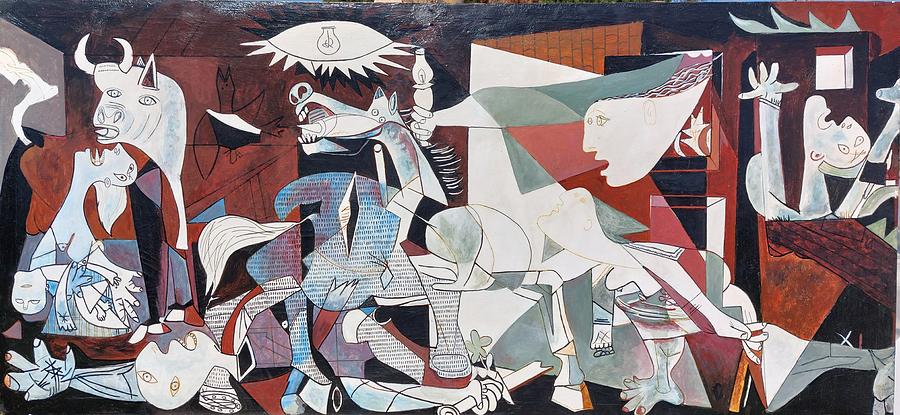 |
| Guernica, by: Pablo Picasso. Painted by: Paco Valero |
• make us anxious or depressed;
• suppress immunity;
• promote inflammation;
• narrow blood vessels, promoting vascular disease throughout the body;
• encourage cancer growth;
• thin the bones;
• make us resistant to our own insulin, inducing diabetes;
• contribute to abdominal obesity, elevating the risk of cardiovascular and metabolic problems;
• impair essential cognitive and emotional circuits in the brain; and
• elevate blood pressure and increase blood clotting, raising the risk of heart attacks or strokes.
– Gabor Maté, The Myth of Normal


