Sunday, June 29, 2025

المعنى وغيابه


Place des Lices, Paul Signac


تحاول ثقافتنا المادية تفسير الإيثار على أنه نابع من دوافع أنانية. وكثيرًا ما يُقال بسخرية إن الأشخاص الذين يتصرفون بلطف، دون أي منفعة تعود عليهم، لا يفعلون ذلك إلا من أجل الشعور بالرضا. لا يدعم علم الأعصاب هذا الرأي، فمنطقة الدماغ التي تضيء عندما يتصرف الشخص بطريقة إيثارية صرفة ليست هي الدوائر التى تنشطها المتعة أو توقع المكافأة. وفقا لدراسة حديثة، فإن أحد العوامل الرئيسة المساهِمة في السلوك الإنساني هو القشرة الصدغية الخلفية العليا، وهي منطقة في مؤخرة الدماغ تتضمن وظيفتها الوعي بالحالة العاطفية للآخرين. يبدو أننا مبرمجون على التناغم مع احتياجات بعضنا، وهذا هو أحد جذور التعاطف. «ربما لا ينبع الفعل الإيثاري من رغبة متوهجة دافئة في فعل الخير، وإنما من الاعتراف البسيط بأن ذلك الشيء هناك هو إنسان له نيات وأهداف وبالتالي أريد أن أعامله كما أحب أن يعاملني»، هكذا يقول سكوت هيتل، أحد الباحثين في الدراسة، الأستاذ المساعد في علم النفس بجامعة ديوك الطبية في مدينة دورهام بولاية نورث كارولينا. لعل القاعدة الذهبية محفورة في دارات أدمغتنا، ليس كوصية، بل كجزء أساسي من هويتنا.

ثمة سمة أو رغبة متأصلة في البشر يسميها الطبيب النفسي النمساوي فيكتور فرانكل «البحث عن المعنى». يوجد المعنى في السعي وراء أمور تتجاوز الذات. أغلبنا نعلم في قلوبنا أننا لا نشهد أكبر قدر من الرضا عندما نتلقى شيئًا أو نحصل على شيء، بل عندما نساهم بصدق في رفاهية الآخرين، أو في الصالح الاجتماعي، أو عندما نبتكر شيئًا أصيلا جميلا، أو مجرد شيء يعبر عن الحب. ليست مصادفة أن تنشأ أغلب أنواع الإدمان في المجتمعات التي تُسّخِر الأهداف الجماعية والتقاليد العريقة والإبداع الفردي للإنتاج الضخم وتراكم الثروات. الإدمان هو أحد عواقب «الفراغ الوجودي»، شعور الخواء الذي يولد عندما نعطي قيمة مطلقة للإنجازات الأنانية. كتب فرانكل: «مشهد المخدرات هو جانب واحد لظاهرة جماعية أشمل، ألا وهي شعور اللامعنى الناتج عن تثبيط احتياجاتنا الوجودية، الأمر الذي صار بدوره ظاهرة كونية في مجتمعاتنا الصناعية». يمكننا استبدال «مشهد المقامرة.... مشهد الإسراف في تناول الطعام... مشهد الإفراط في العمل» والعديد من المساعي الإدمانية الأخرى أيضًا بعبارة «مشهد المخدرات».

بعبارة أخرى لا يعيش البشر بالخبز وحده. يمكننا العثور على القوة العليا، حتى وإن لم تقترن بالدين، إذا نظرنا خارج أنفسنا ووجدنا علاقة ذات معنى تربطنا بالكون وتتجاوز احتياجاتنا الأنانية. لقد رأينا أن الإدمان ينشأ من التفكك. وغياب المعنى هو تفكك آخر لا يمكننا نحن البشر، نحن المخلوقات الروحانية، احتماله. لا بد أن يميز كل واحد فينا المعنى، وأن يعثر عليه بطريقته الخاصة، ولكن كما قال أحد زملاء الدكتور فرانكل في فيينا، الدكتور ألفريد الانجليه، في حديثه الأخير بفانكوفر : «لن ينبثق المعنى إلا بخوض حوار مع العالم».

الجزء الأكبر من مقاومة البشر لمفهوم القوة العليا، على الرغم من أنه يظهر كرفض عقلاني للمعتقدات الدينية، هو في الواقع مقاومة الأنا للضمير والوعي الروحي، للصوت بداخلنا الذي يعترف بالحقيقة ويرغب في تبجيلها. تخشى الأنا الجشعة أن تُبادَ في انحنائها لشيء أعظم، سواء كان «الرب»، أو احتياجات الآخرين، أو حتى احتياجاتنا الأسمى.


 - د. جابور ماتيه، «في عالم الأشباح الجائعة»
- ترجمة: إيمان سعودي

Friday, May 2, 2025

تؤذي النفس نفسها، أول ما تؤذي، حين تستسلم للغضب

يظهر الضغط بطريقتين: إما كاستجابة فورية لخطر، وإما كحالة مطوَّلة تستحثها ضغوط خارجية أو عوامل نفسية داخلية. في حين يُعد الضغط الحاد استجابة ضرورية تصون سلامتنا الجسدية والنفسية، فإن الضغط المزمن، المستمر بلا انقطاع، يقوض كليهما. فالغضب الظرفي مثلا هو شكل من أشكال الضغط الحاد الموجه لغرض بَنَّاء -مثل الدفاع عن النفس أو وضع حدود شخصية- يجعل عقلنا أكثر انتباها، وأطرافنا أقوى وأسرع. أما الغضب المزمن، فيغمر الجسم بهرمونات الضغط فترة طويلة بعد الحدث. ويمكن لهذا الفيض الهرموني، أيا كان منشؤه، على المدى الطويل أن:


- يصيبنا بالقلق أو الاكتئاب،
- ويثبط المناعة،
- ويؤجج الالتهابات،
- ويضيق الأوعية الدموية، مما يعزز اعتلالاتها في جميع أنحاء الجسم،
- ويستحث نمو السرطانات،
- ويُضعف كثافة العظام،
- ويورث مقاومة الإنسولين الذاتي، مسببًا مرض السكري،
- ويؤدي إلى تراكم الدهون البطنية، ما يزيد من خطر الإصابة بأمراض القلب والأيض،
- ويعطل دوائر الإدراك والعاطفة الأساسية في الدماغ،
- ويرفع ضغط الدم، ويزيد من تجلطه، ما يزيد من خطر الإصابة بنوبات القلب أو سكتات الدماغ.

– جابور ماتيه، خرافة العادي

– ترجمة: إيمان سعودي 

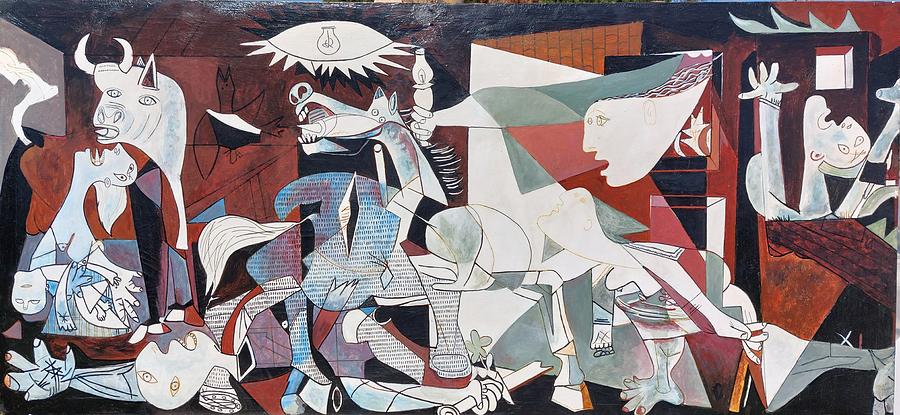
Guernica, by: Pablo Picasso. Painted by: Paco Valero

 Stress can show up in two forms: as an immediate reaction to a threat, or as a prolonged state induced by external pressures or internal emotional factors. While acute stress is a necessary reaction that helps maintain our physical and mental integrity, chronic stress, ongoing and unrelieved, undermines both. Situational anger, for example, is an instance of acute stress being marshaled for a positive purpose— think self-defense or setting interpersonal boundaries. It makes us more alert of mind, quicker, and stronger of limb. Chronic rage, by contrast, floods the system with stress hormones long past the allotted time. Over the long term, such a hormonal surplus, whatever may have instigated it, can:

• make us anxious or depressed;
• suppress immunity;
• promote inflammation;
• narrow blood vessels, promoting vascular disease throughout the body;
• encourage cancer growth;
• thin the bones;
• make us resistant to our own insulin, inducing diabetes;
• contribute to abdominal obesity, elevating the risk of cardiovascular and metabolic problems;
• impair essential cognitive and emotional circuits in the brain; and
• elevate blood pressure and increase blood clotting, raising the risk of heart attacks or strokes.

– Gabor Maté, The Myth of Normal 


Saturday, February 15, 2025

انعكاسات

 عندما أصدر أحكامًا قاسية على أحد، فذلك لأنني أستشعر أو أرى انعكاس أحد جوانب نفسي فيه، جانب لا أرغب في الاعتراف به. وهنا لا أتحدث عن انتقادى سلوك شخص آخر بموضوعية، وإنما عن نبرة الفوقية التي تميز الأحكام الشخصية، وتلون آرائي. إذا امتعضت من شخص مقرب مثلا واصفًا إياه بأنه «متسلط»، فربما كان ذلك بسبب عجزي عن فرض إرادتي، وقد أنفعل ضد شخص آخر لأن لديه صفة أمتلكها، صفة لا أحبها، ولكنني لا أرغب فى الاعتراف بها: على سبيل المثال، ميل إلى التحكم في الآخرين. كما ذكرت في أحد الفصول السابقة، أشجب الصحفيين المناصرين لليمين. يظل رأيي ثابتا إلى حد ما: فآراؤهم تعتمد على قراءة انتقائية للحقائق، ونابعة من نكران الواقع. ولكن ما يتغير من يوم إلى آخر هو الشحنة العاطفية التي تغذي رأيي. ففي بعض الأحيان أرفضهم بعدائية شديدة، وفي أوقات أخرى أرى أن وجهة نظرهم هي إحدى الطرائق الممكنة للنظر إلى الأمور.


من الناحية الظاهرية، تبدو الاختلافات واضحة: فهم يدعمون الحروب التي أعارضها، ويبررون سياسات لا أحبها. يمكنني أن أخبر نفسي أننا مختلفون. ولكن الأحكام الأخلاقية لا تدور أبدًا حول الواضح، إنما تخاطب على الدوام التشابهات الكامنة بين الحاكم والمحكوم عليه. أحكامي على الآخرين هي مؤشر دقيق على الطريقة التي أرى بها نفسي تحت السطح. العمى المتعمد بداخلي هو ما يدين الآخر بأنه يضلل نفسه، أنانيتي هي ما يتهم الآخر بأنه ذو مصالح ذاتية، غياب المصداقية لدي هو ما يحكم على الآخر بالزيف. أعتقد أن الحال نفسها تنطبق على كل الأحكام الأخلاقية التي يصدرها الناس على بعض، وينطبق على كل الأحكام المجتمعية المتشددة التي يفرضها المجتمع على أفراده.

 - د. جابور ماتيه، «في عالم الأشباح الجائعة»
- ترجمة: إيمان سعودي

© Bernard Vaillant

When I am sharply judgmental of any other person, it’s because I sense or see reflected in them some aspect of myself that I don’t want to acknowledge. I’m speaking here not of my critique of another person’s behavior in objective terms but of the self-righteous tone of personal judgment that colors my opinion. If, for example, I resent some person close to me as “controlling,” it may be owing to my own inability to assert myself. Or I may react against another person because he or she has a trait that I myself have—and dislike—but don’t wish to acknowledge: for example, a tendency to want to control others. As I mentioned in a previous chapter, some mornings I vituperate about right-wing political columnists. My opinion remains more or less constant: their views are based on a highly selective reading of the facts and are rooted in a denial of reality. What does vary from day to day is the emotional charge that infuses my opinion. Some days I dismiss them with intense hostility; at other times I see their perspective as one possible way of looking at things, as an interpretation of their experience of life.

On the surface, the differences are obvious: they support wars I oppose and justify policies I dislike. I can tell myself that we’re different. Moral judgments, however, are never about the obvious: they always speak to the underlying similarities between the judge and the condemned. My judgments of others are an accurate gauge of how, beneath the surface, I feel about myself. It’s only the willful blindness in me that condemns others for deluding themselves; my own selfishness that excoriates others for being self-serving; my lack of authenticity that judges falsehood in others. It is the same, I believe, for all moral judgments people cast on each other and for all vehemently held communal judgments a society visits upon its members.


- Gabor Maté, In the realm of hungry ghosts


Tuesday, December 31, 2024

ذاكرة البحر


© Ahmad Eddeeb

كنت أسير في طريقي المعتاد ذلك اليوم، إلا إنني عندما مررت بالبحر شعرت أنه مختلف. هل حقا كان يبدو مختلفا أم أن رؤيتي له هي التي تختلف تبعا لإحساسي؟
وقفت أتأمله برهبة. كان الجو عاصفا، إلا أن البحر كان يبدو في أبهى حالاته، كلوحة من ثلاث درجات من الأزرق تغطيها السماء بدرجتها الرابعة، ويتخلل هذه الزرقة سحب وأمواج بيضاء تزيد اللوحة سحرا و تناغما.
أنظُر للبحر طويلا فيغمرني الاسترخاء، وأنسى الجو العاصف من حولي. وعلى الرغم مني، أغوص في ذكرياتي، فتأتيني ذكريات لطالما اعتقدتُ أني نسيتُها، أو أخرى جاهدتُ كثيرا لأنساها.
أبُث للبحر بأفكاري في صمت. لكم أنت غريب أيها البحر! منذ آلاف السنين تستمع إلى حكاياتنا وأفكارنا. تشهد معنا حيواتنا، أفراحنا ومعاناتنا، إلا إنك ما زلتَ جميلا ساحرا مهيبا. لكم أتفهَّم  ثورتك من حين لآخر عندما تؤلمك كل هذه الذكريات. ترى كم من شخص وقف في هذه البقعة قبلي ليحدثك كما أفعل الآن؟

**********


وقف الإسكندر على شاطئ البحر في هذه المنطقة النائية من أرض مصر ينظر إلى الأفق البعيد مفكرا في الشاطيء الآخر، وعلى الرغم منه خرجَت زفرة تحمل بعضا من آلامه التي يحاول جاهدا طردها.
تأمل المياه مأخوذا بصفائها ولونها العجيب. فعلى الرغم من طول رحلاته قبل أن يصل إلى مصر، إلا إنه لم يَرَ في مثل بهاء هذا الشاطئ. نظر للمياه مليا وزفر ثانية وهو يتذكر النصر الذي حققه حتى الآن منذ أن بدأ حربه هذه ضد الفرس. كم يتوق للعودة إلى مقدونيا ويشتاق إلى حياته التي كانت! مازال يذكر إطراءات أرسطو معلمه الخاص وتنبؤاته له بمكانة عظيمة وسط علماء البلاد. لكن الأقدار لا تأتينا دائما بما نبتغي، فها هو قائد جيوش في حرب لا يعلم لها آخِر.
وعلى الرغم من انتصاراته إلا إنه ما زال يتوق للعودة. يستزيد دائما من الانتصارات علها ترضيه، بلا فائدة. وبكل ما يحمل في أعماقه من حنين للشاطئ الآخر، تلفَّت حوله متأملا تلك المنطقة وفكَّر: ربما تكون هذه المنطقة هي حلقة الوصل بيني وبين بلادي. لأنشئ عاصمة جديدة لمصر هنا، لتحمل دائما اسمي وذكرياتي.


**********

وقف أرشميدس على شاطئ البحر دون أن يحِّرك ساكنًا لِما يقترب من الساعة، حتى ليخيل لمن يمر أنه مجرد تمثال، إلا إن أهالي البلدة كانوا قد اعتادوا منه مثل هذه التصرفات العجيبة، فلم يعد أحد يعبأ بذلك.
و على الرغم من الهدوء البادي على وجهه، كان عقله يعمل بجنون طوال هذه الساعة، حتى إنه لم يلحظ جمال البحر ذلك اليوم، والذي كان دائما سببا لاسترخائه و إلهامه كلما واجهَته معضلة ما.
كان ما طلبه منه الملك هذه المرة غريبا. كان يريد منه أن يؤكد له إن كان تاجه الجديد قد صُنع من الذهب الخالص دون أن يُخلط بالفضة. فقد كان يشك في الصائغ الذي صنعه، وكان يريد من أرشميدس أن يكشف ذلك دون أن يتلف التاج. ويا له من طلب: التاج أو رقبته!
نفض رأسه بعنف شاعرا بالغضب لعجزه عن الوصول لأي حل، و قال صارخا: ألن تساعدني هذه المرة أيها البحر؟ أين ذهبَت كل أفكارك و أفكاري؟
استمع الى صوت الامواج المتلاطمة وهي تجيبه في لامبالاة، و هز رأسه و استدار عائدا إلى بيته.


**********


تأملَت كليوباترا السفن التي ترسو على شاطئ البحر بأسى. لَكَم تبدو كوحوش تجثم على قلب المدينة الرقيق، خاصة بعد الخراب الذي حل بالمدينة وأودى بأكثر معالمها جمالا.
وعلى الرغم من الدمار المحيط لم يفُت كليوباترا أن تلحظ البحر في ذلك اليوم، والذي بدا كأروع ما يكون، وهو يتلألأ بزرقة صافية تميل إلى الأبيض في مشهد لم ترَ مثله من قبل، متحديا كل ما فعله البشر في حقه وحق المدينة.
نظرَت إليه طويلا ثم بدأت تحدِّث نفسها في خفوت، أو لعلها كانت تتحدث إلى البحر: لا توجد حرب بلا خسائر، وأنا لم أكن أريد شيئا مثلما أردتُ أن أستعيد عرش مصر الذي سلبه مني ذلك الغبي بطليموس. ربما فقدَت المدينة الكثير من روائعها، ولكن ما زال لديها الكثير لتقدمه لي.


**********


كان الجو في ذلك اليوم من أيام الشتاء عاصفا، والسماء ملبدة بغيوم لا تنتهي، وكان البحر ثائرا لا تتوقف أمواجه عن التخبط عند الشاطئ. إلا إن هذا لم يفت في عضد الشيخ سيد الذي كان يجلس على الصخور يدندن بصوته العذب:

يا فؤادي ليه بتعشق الحبيب قاسي عليَّا
قلبه ظالم لو بيشفق أنا صابر ع الأسِيَّا
خايف أشكي من صدوده يفرحوا عُذَّالي فيَّا


وعلى الرغم من غنائه الذي كان قد بدأ يعلو، إلا إن باله كان مشغولا بأمر آخر.
كان هذا اليوم هو بداية مرحلة جديدة في حياته المليئة بالمراحل المختلفة، فلقد جاء إلى البحر مودعا، حيث إنه سينتقل إلى القاهرة للعمل بفرقة الشيخ سلامة حجازي، وهو ما كان حلما أكبر من أن يتخيل تحققه.
كانت نفسه تعج بالفرحة والحماسة والأمل، فنظر إلى البحر الثائر مليا وقال: قد لا أراك لفترة طويلة، إلا إنك ستكون معي بألحانك، في ألحاني. ثم ارتفع صوته بالغناء ثانية:  

يا حبيبي جُد بنظرة يكفى تيهك والدلال
من بعادك ذاب فؤادي إمتى أفرح بالوصال
قلبي حَبَّك وانت عارف إني مغرم بالجمال


**********

على الرغم من أن الإحتفالات كانت قائمة بطول البلاد، إلا إن مَن كان موجودا في تلك المنطقة من شاطئ البحر كان يشهد وضعا معاكسا تماما. فقد كانت مراسم الترحيل والوداع جنائزية أكثر منها عسكرية أو رسمية.
وقف الملك فاروق ينظر إلى الجمع الذي جاء ليشهد لحظات خروجه بكبرياء، ثم أدار بصره إلى البحر ينظر إليه للحظات قد تكون الأخيرة. كان يراقب الموقف بجمود حتى ليكاد يجزم كل مَن حوله بأن الأمر لم يؤثر فيه بشيء. إلا إن الحسرة والحزن اللذين يعصفان بكيانه كانا أهم أسباب ذلك الجمود.
كان ما زال مشدوها، لا يصدِّق أن هذا كله قد حدث له، وفي هذه الفترة الوجيزة. كم هي غريبة هذه الحياة! كان أمس الملك، واليوم صار مطرودا يبحث عن ملجأ!
نظر إلى البحر مرة أخرى بشوق، ودخل إلى الباخرة.


**********


أشعر بالماء يغمر وجهي بلا مقدمات. فأفيق من برودة الذكريات لأنتبه إلى برودة الجو التي اشتدت من حولي. أرفع وجهي إلى السماء لأجدها قد بدأت تمطر، و يشتد المطر غزارةً مع كل لحظة تمضي.
أضم يديَّ لعلي أجد بعض الدفء، وأبدأ في السير ببطء لأعود إلى طريقي.
وقبل أن يصبح البحر بعيدا عن مرمى بصري، استدرتُ أنظر إليه بابتسامة ممتنة، لعله يحفظ لي في ذاكرته هذا اليوم، وهذه اللحظة.


**********


15/03/2010

Tuesday, November 26, 2024

ماكدونالدز والمفاجآت

لقد نجح ماكدونالدز ونجحت الأنظمة الممكدلة الأخرى نجاحًا هائلا لأسباب وجيهة وقوية. وبشكل عام، تُقدم الأنظمة الممكدلة المزايا المرتبطة بمبادئها الأساسية:

- الكفاءة
- القابلية للقياس
- القابلية للتوقع
- السيطرة

 *****

يوفر ماكدونالدز القابلية للتوقع، ضمان أن المنتجات والخدمات ستكون متشابهة إلى حد كبير باختلاف الوقت وفي جميع المناطق. فشطيرة ماك مافن بالبيض في نيويورك هي ذاتها تقريبا تلك الموجودة في شيكاغو ولوس أنجلوس. وأيضا، تلك التي ستأكلها الأسبوع المقبل أو العام المقبل هي ذاتها التي تأكلها اليوم.

يشعر العملاء براحة كبيرة في معرفة أن ماكدونالدز لا يقدم أية مفاجآت. إذ يعلمون أن شطيرة البيض التي سيأكلونها في المرة التالية لن تكون سيئة، لكنها لن تكون لذيذة بشكل استثنائي أيضا.

يشير نجاح نموذج ماكدونالدز إلى أن الكثير من الناس قد أصبحوا يفضلون عالما لا يوجد فيه إلا القليل من المفاجآت. يعلق مراقب بريطاني فيقول: «هذا غريب، بالنظر إلى أن (ماكدونالدز) نتاج ثقافة تُثمن الفردية فوق كل شيء».


- چورچ ريتزر، من كتاب: «مجتمع ماكدونالدز في العصر الرقمي»
- ترجمة: محمد صلاح السيد

© Mike Stewart


Monday, October 14, 2024

حياة مثقلة بكلب

An Old Man with a Dog, Giacomo Ceruti (1698–1767)


كان بلومفيلد على استعداد أن يرحب بأي رفيق، أي شاهد على ما يقوم به. فكر جديا في أن يقتني كلبا صغيرا، فهذه الحيونات تتمتع بالمرح، وحافظة للجميل، ووفية، لكن الحقيقة أن الكلب لا يخلو من العيوب.

حتى لو قمت على نظافته قدر استطاعتك، فمن المؤكد أنه سينشر الفوضى في الغرفة، وهذا أمر لا مفر منه. لو أنه أحضر كلبا إلى الشقة فسوف يتسبب طوعًا في نشر القذارة في غرفته، وهو أمر يرفضه بكل قوة. سوف تظهر البراغيث، رفقاء الكلب. ولو ظهرت البراغيث سيتخلى بلومفيلد على الفور عن غرفته المريحة للكلب، وسيبحث عن غرفة أخرى. فالقذارة ليست هي عيب الكلاب الوحيد. كما أنها غالبا ما تصاب بأمراض لا يعرفها أحد. عندها ينزوي هذا الحيوان في إحدى الزوايا، أو يترنح في أرجاء المنزل، ويسعل، ويعاني من ألم ما. عليه عندها أن يضعه في البطانية، ويصفر له بفمه ببعض الموسيقى، أو يقدم له حليبا. ببساطة سيهتم به، على أمل أن تكون وعكة صحية طارئة. في حين أنه قد يكون مرضا خطيرا ومقرفا، ومعديا. ولو تمتع الكلب بحالة صحية جيدة، يومًا ما سيصبح مُسنا. لن يطاوعه قلبه في تلك اللحظة على التخلص من حيوانه المخلص. ثم تأتي اللحظة التي يطل فيها تقدم العمر من عين رشحة لكلب مُسِن. يجد نفسه أمام كلب شبه أعمى، وضعيف، وغير قادر على الحركة من كثرة الدهون. سيدفع ثمنا باهظا مقابل ما أعطاه له الكلب من سعادة.

بقدر ما كان بلومفيلد يرغب في الحصول على كلب فى تلك اللحظة، إلا أنه فضل أن يصعد السلم بمفرده لثلاثين عاما أخرى على أن تكون حياته مثقلة بكلب مسن، يسير بجواره وهو يجر قدميه فوق درجات السلم، ويتنهد بصوت أعلى من صوت بلومفيلد نفسه.

لذلك سيظل بلومفيلد وحيدا. فليس لديه تطلعات عذراء عجوز، تسعى إلى مرافقة كائن حي لتفرض عليه سيطرتها، وتقوم على رعايته كل يوم، وتوفر له الحماية وقد تعامله برفق -ربما تفي بهذا الغرض قطة ما، أو عصفور كناري، أو ربما سمكة ذهبية- وحتى لو لم تتمكن من هذا فستكفيها بعض الزهور عند النافذة. لكن بلومفيلد كان يريد رفيقا، حيوانا لا يحتاج إلى الكثير من الرعاية، ولا تضره رفصة هنا أو هناك، ويمكنه في أسوأ الأحوال أن يقضي ليلته في الشارع. يريد بلومفيلد رفيقا يكون تحت تصرفه فورا وقتما يحب، بنباحه وقفزاته ولعقه لليدين. هذا هو ما أراده بلومفيلد تحديدا. لكنه منذ أن أدرك أن هذا لن يحدث بدون عيوب خطيرة، توقف عن التفكير في الأمر.


- فرانز كافكا، من قصة: «بلومفيلد العانس»
- ترجمة: خالد البلتاجي


Friday, September 6, 2024

Alan Moore - The Job of Artists

Transcripts from the documentary "The Mindscape of Alan Moore" (2003)


4:52


Now when I was seven, I picked up my very first American comics. These were bright, garish 4-coloured things, that rather than taking place against some anonymous Northern British backdrop, took place in Cities like New York, which to me were as exotic as Mars. The idea of buildings of that scale, the idea of this modernness that seemed to pervade everything. This was a futuristic science fiction world. And then against that backdrop you had these incredibly colourful characters, who had these amazing powers, who could transcend their human limits. I'd already been attracted to mythology, fairy stories, anything which had people that could fly or become invisible or could lift huge mountains, or perform any of these heroic acts for which gods and heroes are largely famous. And so, having discovered the American superhero comic books, it was a fairly natural transition. Here was something where I didn't have to read the same myths over and over again, but where every month I could read something new about Superman or the Flash. This become a preoccupation. At first I was probably preoccupied with the characters themselves. I wanted to know what Batman was doing this month.


Around about the time when I reached the age of say 12, perhaps a lot earlier, I became more interested in what the artists and writers were doing that month. It'd finally occurred to me that these stories weren't just drawing themselves. That somebody was drawing them, somebody was writing them. And I became very knowledgeable in the styles of the different artists, I became critically able to distinguish between a good story and a bad story. And comic books were still very much a part of my life, I mean, which was in physical terms was changing quite rapidly, as it would for anybody at that age. I'd moved from my primary school in the working class area into which I was born to a grammar school. Now, call me naive, but entering grammar school was the very first time that I'd actually realized that middle-class people existed. Prior to that I'd thought that there were just my family and people like them, and the Queen. I had really not been aware that there were was a whole strata of humanity in between those two positions. When I got to grammar school I realized that I was one of the very few working class people there, because of the 11+ system and its rigours. And that a lot of the other children there had had the advantage of probably a better education than I'd been privy to. Thus from being a star pupil at my primary school, from being top of the class every year, and from being made head prefect with a little green enamel badge, I suddenly plummeted to 19th in the class, which was a tremendous blow to my already insufferably huge ego. I don't think I ever got quite over that. Certainly by the next term I was 25th in the class, I think for the next couple of years I was second from bottom. I'd finally came to the realization that I was not going to cut it in the kind of academic world that was spread out in front of me. I decided, pretty typically for me, that if I couldn't win then I wasn't going to play. I was always one of those sulky children, who sort of couldn't stand to lose at Monopoly, Cluedo, anything. So I decided that I really wanted no more of the struggle for academic supremacy or anything of that nature.


24:03


The thing about fame is that fame in its current sense had not really existed before the 20th century. Back in previous eras even if you were very very well known, that would perhaps be amongst a thousand people at most if you were a pope or somebody. In the 20th century however, with these massive surges in communication, suddenly a different sort of fame was possible. And I tend to think that what fame has done, it has replaced the sea as the element of choice of adventure for young people. If you were a dashing young man in the 19th century, you would probably want to run away to sea, just as in the 20th century you might decide that you want to run away and form a pop band. The difference is that in the 19th century before running away to sea, you would have at least some understanding of what the element was that you were dealing with and you would have perhaps say learned to swim. The thing is that there is no manual for how to cope with fame, so you'll get some otherwise likeable young person who has done one good comic book, one good film, one good record, who is suddenly told that they are a genius and who believes it and who runs out sort of laughing and splashing into the billows of celebrity and whose heroine sodden corpse is washed up a few weeks later in the shallows of the tabloid.


I'd never signed up to be a celebrity and I came to the realization that it was nothing that I was very comfortable with. I realized that celebrities are a kind of an industry, there a kind of a crop. Media moguls like Rupert Murdoch or people who run the big networks, they need a constant stream of celebrities to fill the column space in their magazines, to fill time upon their TV shows and because celebrities tend to burn out quickly you have to constantly create new ones. And I really didn't feel I wanted to be part of that process and so I withdrew to the relative obscurity of Northampton.


26:41


On my fortieth birthday, rather than merely bore my friends by having anything as mundane as a mid-life crisis, I decided it might actually be more interesting to actually terrify them by going completely mad and declaring myself a magician. This had been something coming for a while, it seemed to be a logical end step in my career as a writer, and the problem is that with magic, being in many respects a science of language, you have to be very careful of what you say. Because if you suddenly declare yourself to be a magician without any knowledge of what that entails, then one day you are likely to wake up and to discover that is exactly what you are.


There is some confusion as to what magic actually is. I think this can be cleared up. If you just look at the very earliest descriptions of magic. Magic in its earliest form is often referred to as "the art". I believe that this is completely literal, I believe that magic is art and that art, whether that'd be writing, music, sculpture or any other form is literally magic. Art is, like magic, the science of manipulating symbols, words or images to achieve changes in consciousness. The very language of magic seems to be talking as much about writing or art as it is about supernatural events.


A grimoire for example, the book of spells is simply a fancy way of saying grammar. Indeed, to cast a spell is simply to spell, to manipulate words, to change people's consciousness. And I believe this is why an artist or writer is the closest thing in the contemporary world that you are likely to see to a shaman. I believe all culture must have arisen from cult. Originally, all of the facets of our culture, whether they'd be in the arts or the sciences were the province of the shaman. The fact that in present times, this magical power has degenerated to the level of cheap entertainment and manipulation is I think a tragedy.


At the moment the people who are using shamanism and magic to shape our culture are advertisers. Rather than try to wake people up their shamanism is used as an opiate to tranquillize people, to make people more manipulable. Their magic box of television, and by their magic words, their jingles can cause everybody in the country to be thinking the same words and have the same banal thoughts all at exactly the same moment. In all of magic, there is an incredibly large linguistic component. The Bardic tradition of magic would place a bard as being much higher and more fearsome than a magician. A magician might curse you. That might make your hands lay funny or you might have a child born with a club foot. If a bard were to place not a curse upon you, but a satire, then that could destroy you. If it was a clever satire, it might not just destroy you in the eyes of your associates, it would destroy you in the eyes of your family. It would destroy you in your own eyes. And if it was a finely worded and clever satire that might be survive and be remembered for decades, even centuries, then years after you were dead people still might be reading it and laughing at you and your wretchedness and your absurdity. Writers and people who had command of words were respected and feared as people who manipulated magic. In latter times I think that artists and writers have allowed themselves to be sold down the river. They have accepted the prevailing belief that art, that writing are merely forms of entertainment. They're not seen as transformative forces that can change a human being, that can change a society. They are seen as simple entertainment, things with which we can fill 20 minutes, half an hour while we're waiting to die. It is not the job of artists to give the audience what the audience want. If the audience knew what they needed, then they wouldn't be the audience. They would be the artist. It is the job of artists to give the audience what they need.


My career as a magician continues to evolve. Since I to a certain degree believe art and magic to be interchangeable, it'd only seemed natural that art should be the means by which I express magical ideas. This has found its way into my prose writing, in works such as Voice of the Fire and probably most visibly has found its way into the performance pieces that I've done at various locations over the past 8 years. Beautiful little psychedelic artefacts in their own right, which actually capture the kind of narrative journey that we've tried to take the readers on as part of these performances, to overwhelm the sensibilities of the audience, to tip them over into a kind of psychedelic state, where we can hopefully actually change their consciousness and direct it to different places, different levels, hopefully into new and hopefully magical spaces. When we are doing the will of our true Self, we are inevitably doing the will of the universe. In magic these are seen as indistinguishable, that every human soul is in fact one human soul. It is the soul of the universe itself and as long as you are doing the will of the universe, then it is impossible to do anything wrong.


المعنى وغيابه

  Place des Lices, Paul Signac تحاول ثقافتنا المادية تفسير الإيثار على أنه نابع من دوافع أنانية. وكثيرًا ما يُقال بسخرية إن الأشخاص الذين يت...